Land is not one-size-fits-all
Contour, drainage, fencing, shelter, access and usable paddock space can matter as much as the size of the title.
Karaka has always been shaped by land and water: Manukau Harbour edges, rural roads, power-line maps, bloodstock country, lifestyle blocks and the newer Karaka Lakes community.
Karaka's story is not a simple shift from old suburb to new suburb. It is a story of farmland holding its value, rural roads becoming lifestyle addresses, and a harbour-edge landscape gaining a second market through Karaka Lakes.
Karaka sits on the southern side of the Manukau Harbour, close to the Pahurehure Inlet and the waterways that cut inland toward Hingaia, Paerata and Patumahoe. Long before it became a lifestyle-property search term, its value came from usable land, water access, fertile soils and practical routes between Papakura, Drury, Waiuku and the wider Franklin district.
The shape of the land still explains the property market today. Homes near the harbour and Karaka Lakes are judged differently from larger rural holdings further west and south. Access, contour, drainage, fencing, sheds, water supply and views all matter when pricing a Karaka property.
Early Franklin Electric Power Board maps show Karaka as a working rural district: named roads, property owners, electric lines and the practical infrastructure needed to connect farms. The maps are not decorative. They show the beginnings of the connected rural landscape that still gives Karaka its identity.
For modern sellers, these old maps explain why Karaka properties can vary so sharply in value. Two properties can share the same suburb name but sit in very different settings: close to Great South Road, deeper toward Te Hihi, closer to Patumahoe, or nearer the harbour-edge residential pockets.

By the 1950s, Karaka and Patumahoe were still mapped as rural working country. Roads such as Batty Road, Woodhouse Road, Hunter Road and Glenbrook Road sat in a landscape of farms, shelter belts and larger holdings. The suburb's later lifestyle appeal grew from that same structure.
Modern buyers often come to Karaka for the things the old rural map protected: space, privacy, paddocks, sheds, established trees and distance from dense suburban streets. That is why a property appraisal in Karaka needs to look beyond bedroom count and land area. The usability of the land matters.

Karaka became strongly associated with horses, bloodstock and high-quality rural property. That reputation matters in real estate because it attracts a specific buyer pool: people who understand paddocks, stables, arena space, access for floats and the cost of maintaining equestrian infrastructure.
For some properties, equestrian improvements are the reason buyers pay attention. For others, the land, home, privacy and location are the main value drivers. The right selling strategy depends on knowing which buyer group is most likely to compete.

Karaka Lakes added a very different property market to the same suburb name. Lakeside residential streets, modern homes and a more suburban buyer profile now sit alongside rural lifestyle blocks and equestrian holdings.
This is why Karaka is a two-market suburb. A Karaka Lakes home is usually priced and marketed through a different lens from a rural block near Te Hihi or Patumahoe. Both can be premium. They just need different comparable sales, different marketing angles and different buyer conversations.
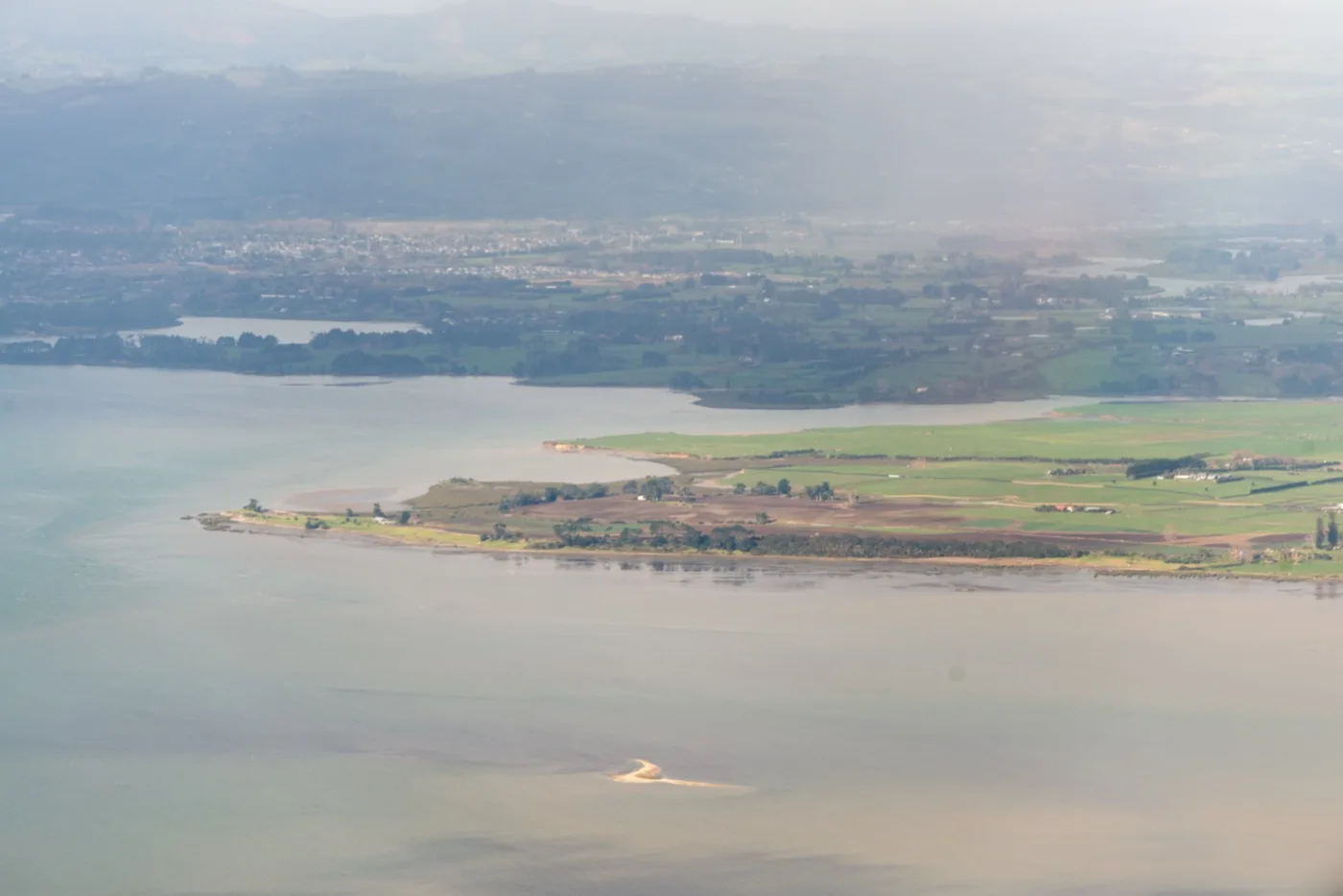
Drag the handle to compare the mapped rural Karaka district with the modern harbour-edge aerial view.
1920s Karaka map · 2013 northern Karaka aerial
Karaka's past still shows up in the way buyers compare properties.
Contour, drainage, fencing, shelter, access and usable paddock space can matter as much as the size of the title.
Modern residential homes near the lakes often appeal to families and professionals, not the same narrow buyer pool as larger lifestyle blocks.
Stables, arenas, float access and paddock layout can be major assets when the right buyers are reached early.
Images are used under open or no-known-restriction records and are credited here.
Karaka's value depends on which market your property belongs to: lifestyle, equestrian, rural or Karaka Lakes. Leanne Stewart Harcourts can give you a free, no-obligation property appraisal with the right local context.
Book a free Karaka appraisal